I've made millions online. But the number I remember most is $113.46.
That was the first money I ever made on the internet. It came from a website that, at the moment someone paid for it, had nothing on it. This is the story of that site, what it taught me, and the rule I've followed ever since.
A coffee shop
It's 2017. I'm working out of a coffee shop called Climax Coffee every day. I have a laptop, an iced tea, and an idea: a website that explains real ACT questions, step by step.
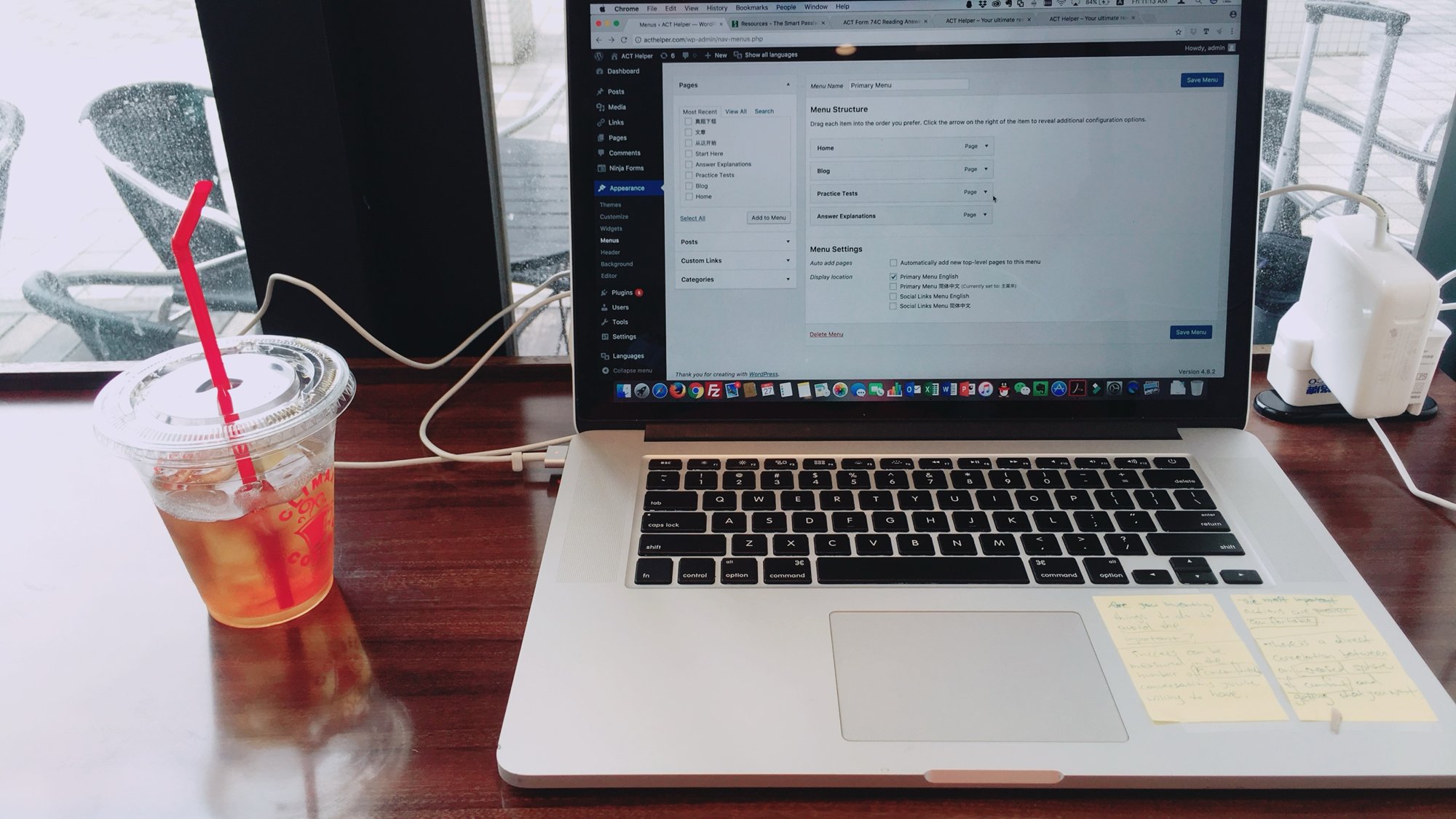
The normal advice is to build the product first, make it great, then sell it. I did it backwards.
I set up a WordPress site called ACT Helper. The homepage promised answer explanations for every officially released ACT test from 2006 to 2018. Pay a membership fee, get access to all of it. The page was ugly. And behind the paywall, there was nothing.
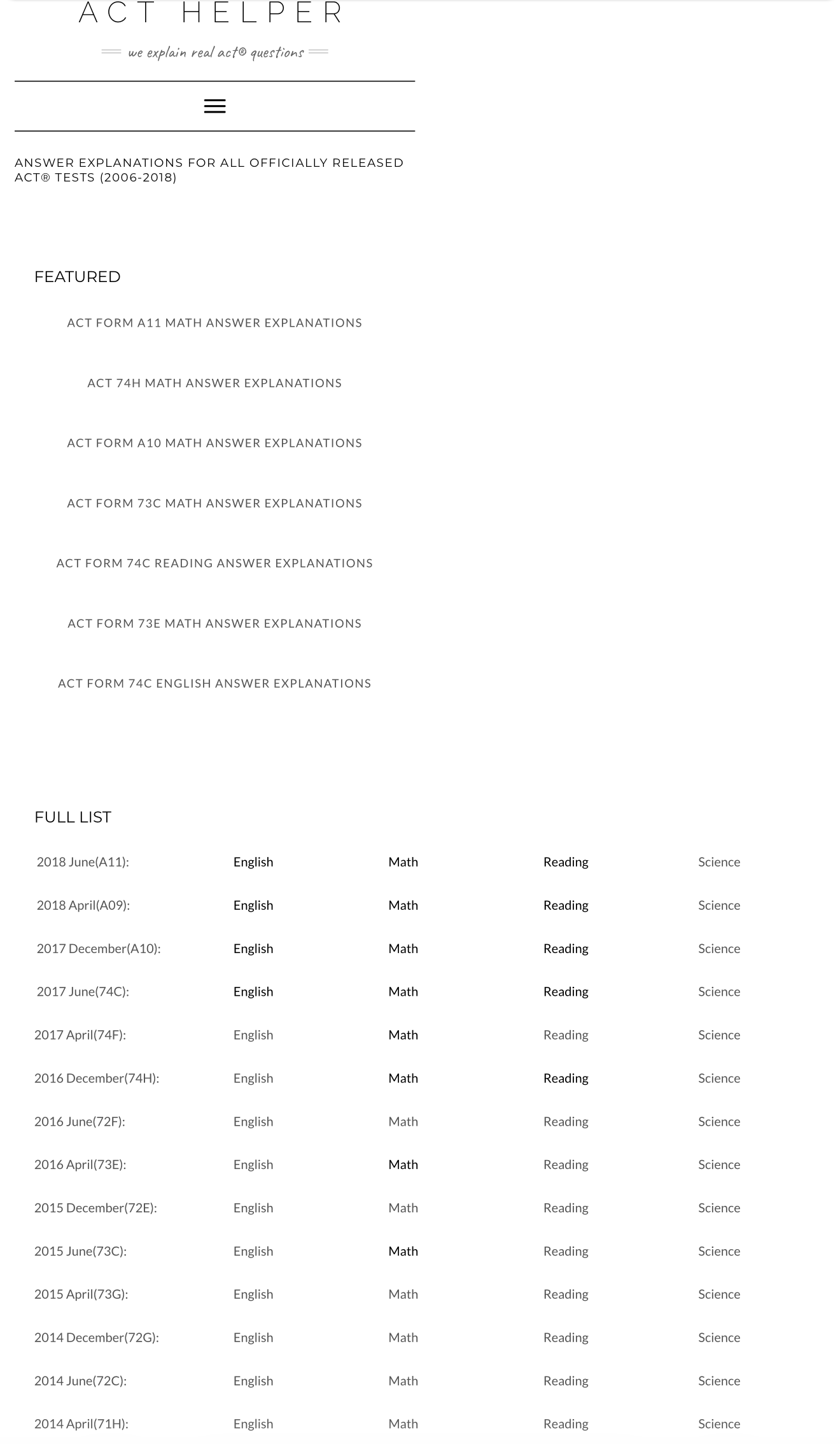
Content written: none. Not one explanation.
No ads, just Google
I didn't spend a cent on marketing. Google indexed the site quickly, and it turned out people were already searching for the exact text of ACT questions. They'd type in a question they were stuck on, and land on my page.
The demand was already there. I just had to stand in its path.
November 16, 2017, 6:23 PM
Then my phone buzzed.
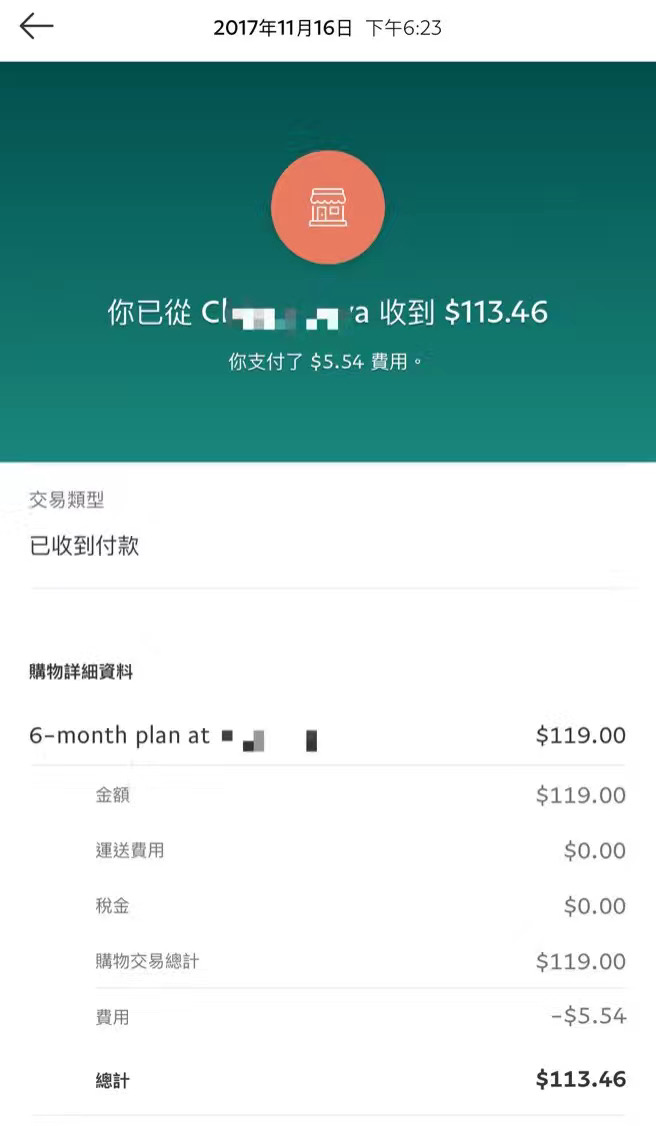
A stranger had paid $119 for a six-month plan. After PayPal's $5.54 fee, I kept $113.46.
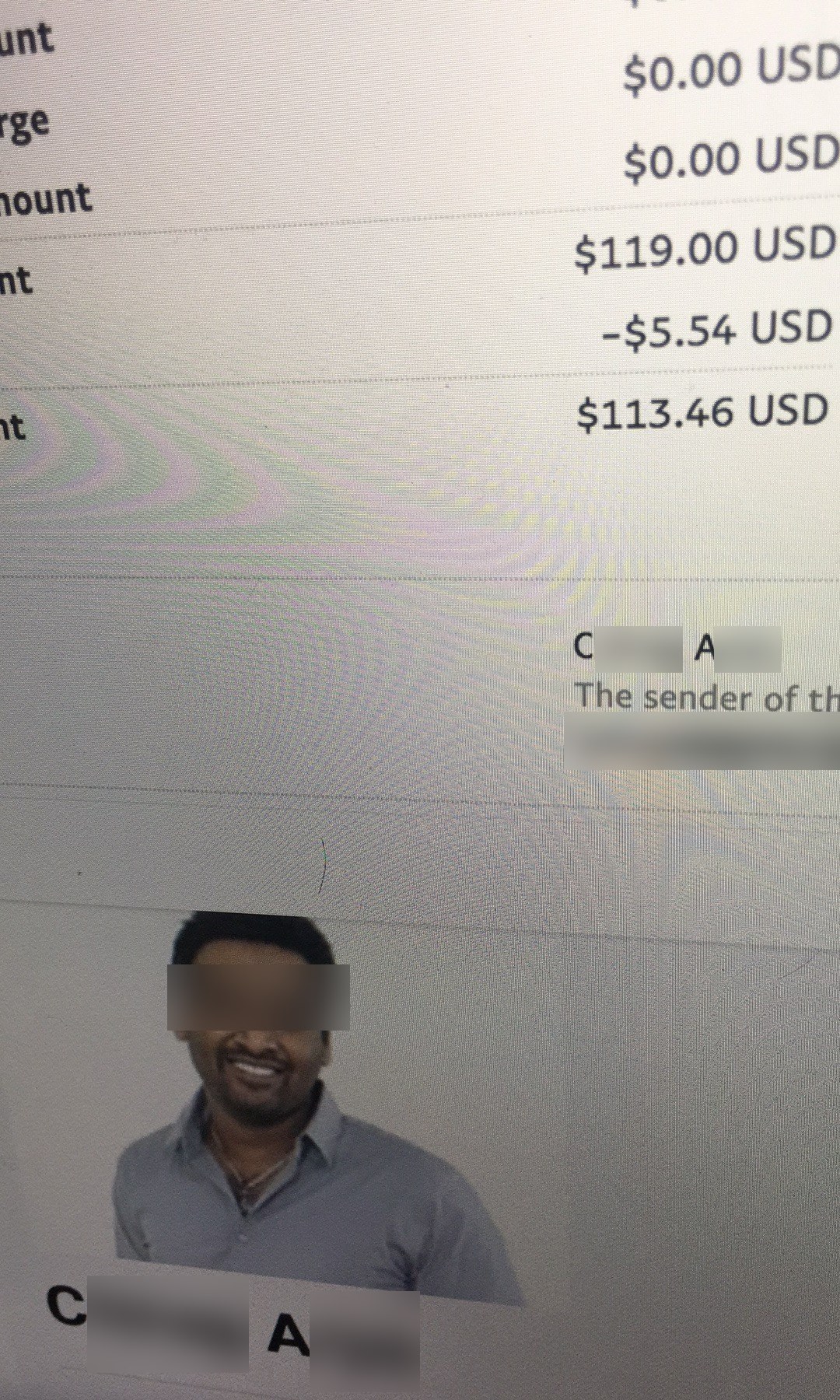
Someone paid me for a promise. That was the moment I knew the idea was real. It was also the moment I realized I now had to actually build the thing.
It wasn't a fluke
One sale can be luck. So I watched.
More strangers paid $119. Then more. February 11. February 23. My inbox started filling up with member checkout notifications. Every new sign-up proved the demand a little more, until there was no question left: the idea was validated.
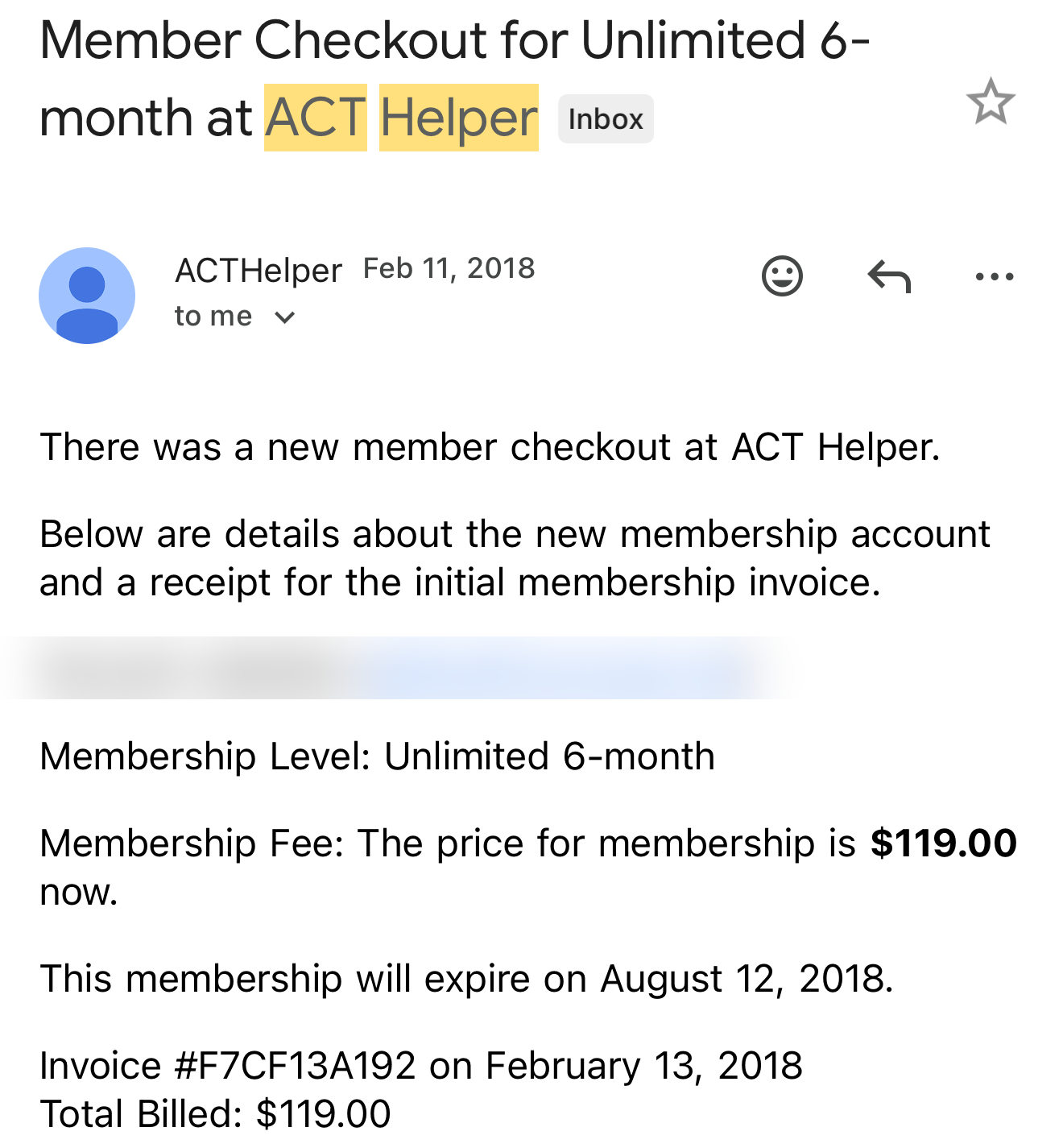
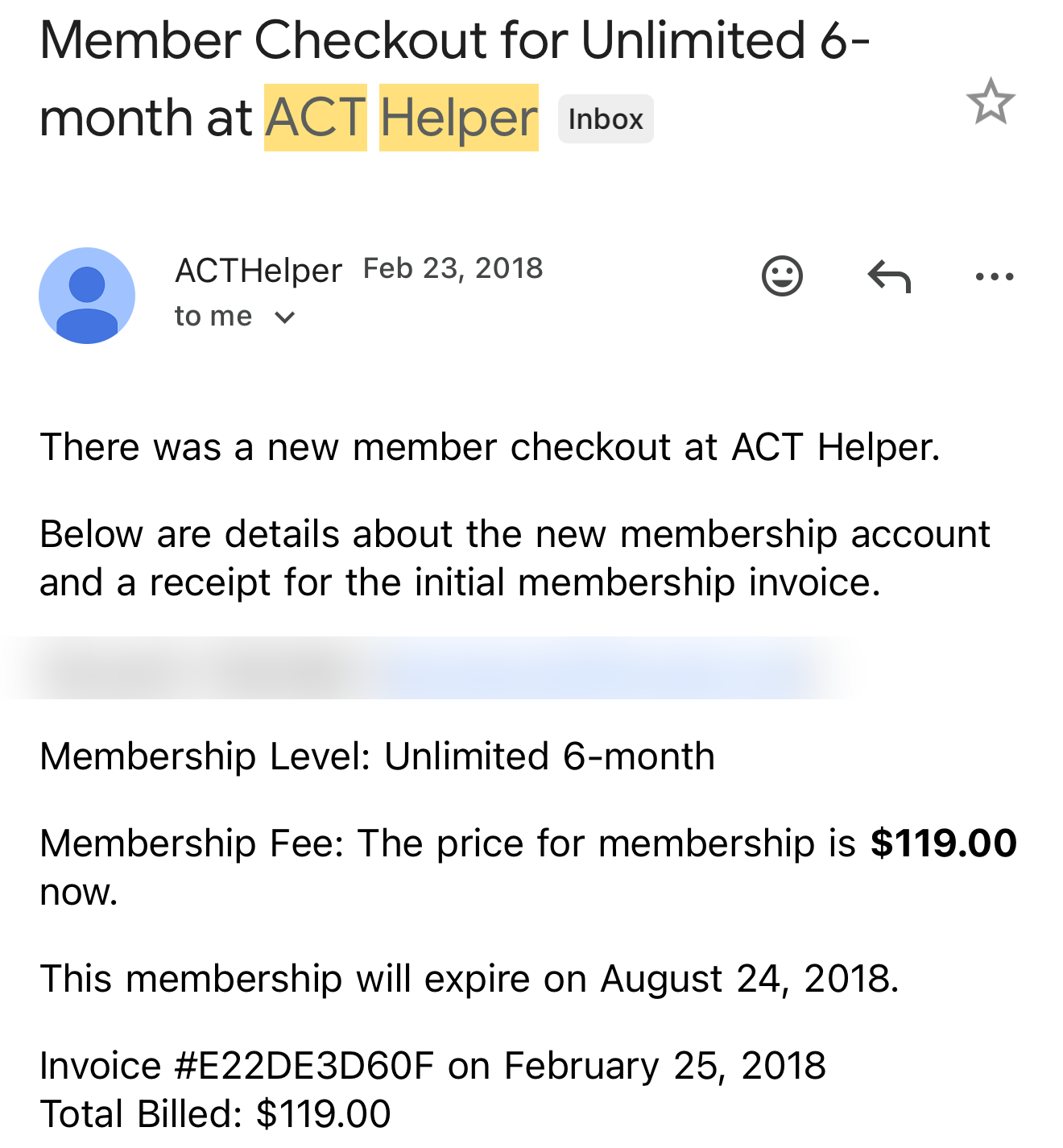
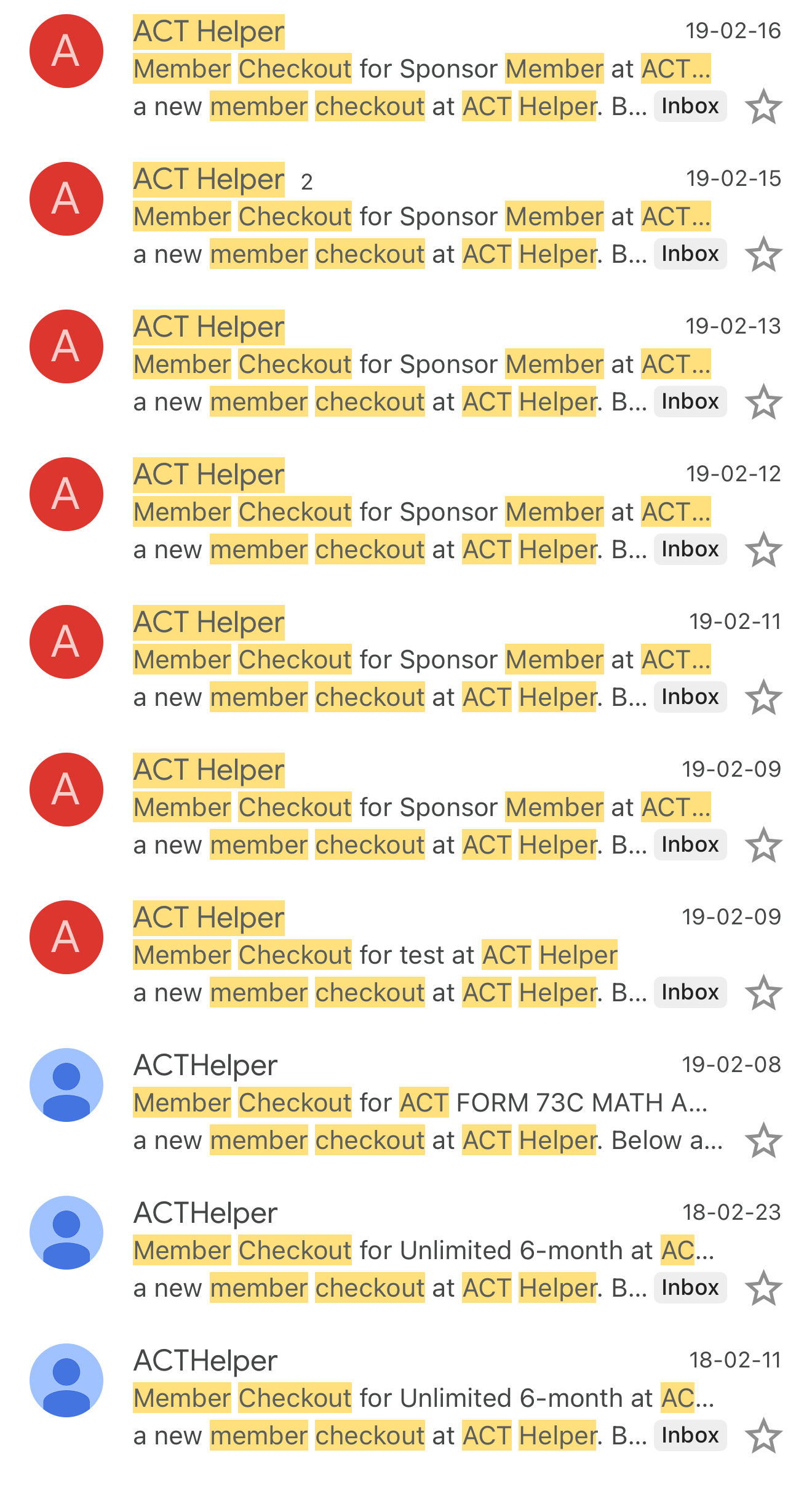
There was one surprise. I built ACT Helper for students. But every single paying customer turned out to be a tutor. My very first customer was a tutor too.
I would never have guessed that from a business plan. The market told me who my customer was.
Then I had to build it
Every day I locked in at Climax Coffee and wrote the explanations I'd promised, test by test, section by section.

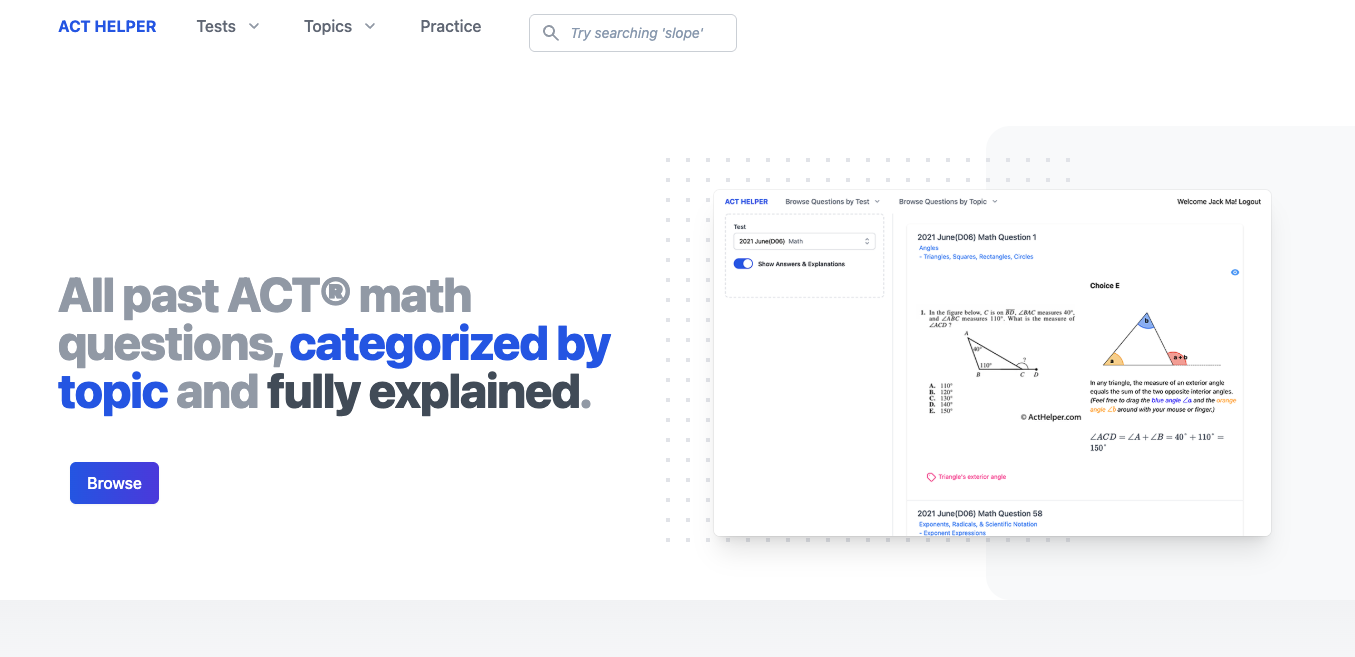
Over time, the site grew into a real product: every past ACT math question, sorted by topic and fully explained. To get there, I taught myself to code and rebuilt the whole site in Next.js.
The scorecard
In total, ACT Helper has earned about US$50,000. Since 2019, 199 people have subscribed, and 16 are still paying today.
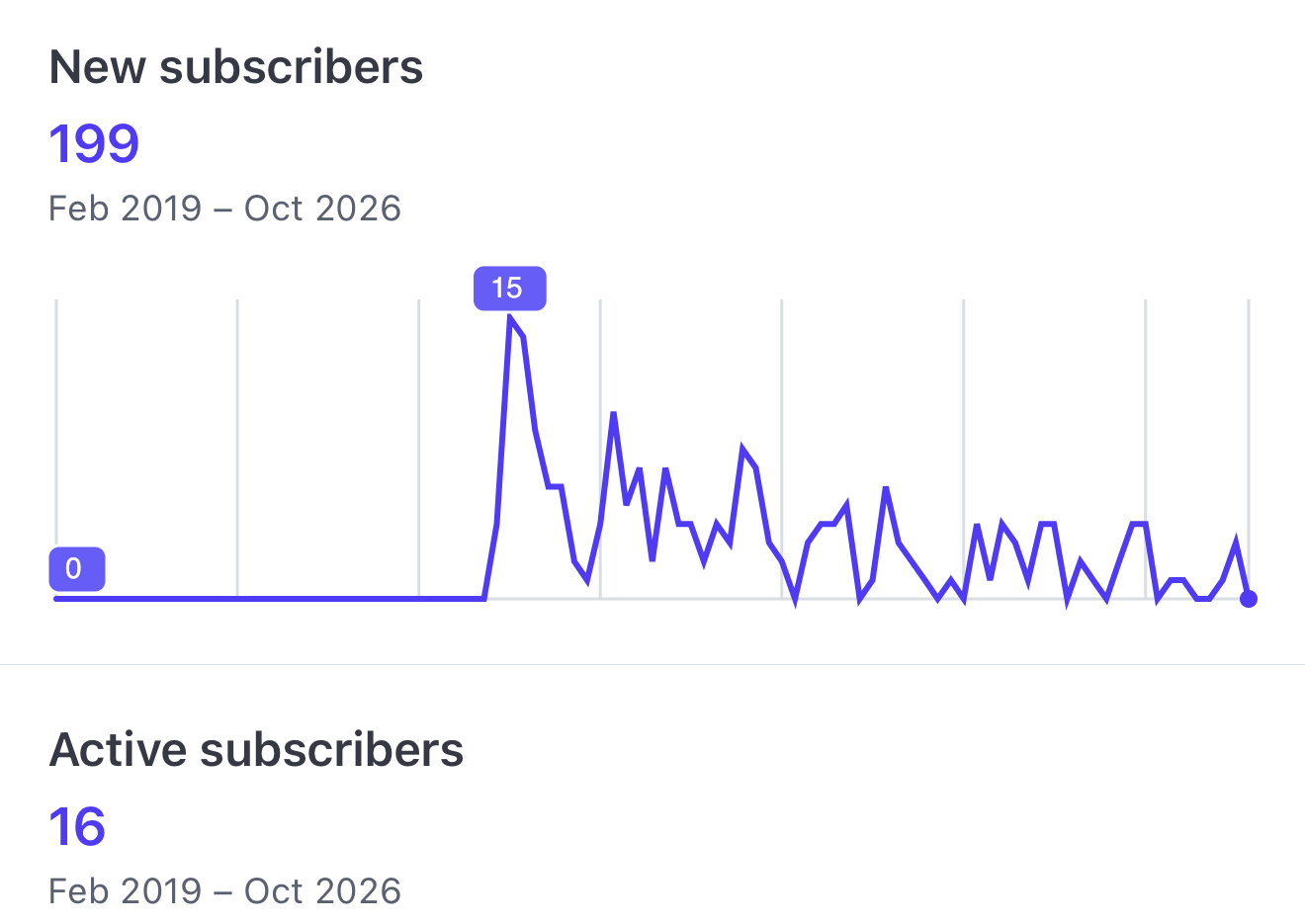
Here's the strange part. A few years ago, I moved on. With the skills I learned building ACT Helper, I went on to build many other projects, and together they've made me millions. I haven't touched ACT Helper since.
But the money hasn't stopped. Those 16 subscribers still find it useful enough to keep paying. (Some, I suspect, have simply forgotten to unsubscribe.)
How to validate your business idea
The lesson from ACT Helper became my rule, and I still follow it: make sure the demand is there before you build anything.
It doesn't guarantee success. Anything can happen. But it's the fastest, cheapest way to find out whether you're onto something, and if you're wrong, you lose small and get to try again.
The whole method fits in three lines:
- Put up the ugly page. Describe what you'll offer. It doesn't need to be pretty.
- Name the price. A real price forces a real decision. Interest is cheap; payment is proof.
- See who pays. If nobody does, you've saved yourself months. If someone does, you know exactly who to build for.
That's how I went from a page with nothing behind it to a payment.
You don't need to raise money to make money
There's a bigger lesson behind all of this.
Everyone has their own path. Some founders start by raising money, and that works for them. But there's a huge community of indie hackers and solopreneurs who bootstrap their companies to millions in annual revenue, with no investors at all.
ACT Helper never took a dollar of investment. Its customers funded it from the first $113.46.
You don't need to raise money to make money. You need someone willing to pay for what you're offering. Find them first, then build.
Someday I'll come back to ACT Helper. Until then, it keeps reminding me where it all started.
I'm Joe. If you want to talk about bootstrapping or validating an idea, find me on X at @JoeXuY or on LinkedIn.